Mattress guide
Vispring Baronet Superb: A Guide to Its Pocket-Spring Design
A mattress can look beautifully straightforward from the outside and still have a lot going on beneath the covers. The Vispring Baronet Superb brings together traditional pocket-spring construction and natural upholstery materials—a pairing that invites a closer look at how a mattress is built, how it may feel, and what shoppers should confirm before choosing one.
Published October 27, 2026
For anyone comparing innerspring mattresses, the words “pocket spring” can sound like a promise of a particular kind of comfort. In reality, they describe one important part of the design, not the whole experience. Spring count and arrangement matter, but so do the springs’ characteristics, the upholstery above them, the mattress’s overall firmness, and the bed base underneath.
The Vispring Baronet Superb is a traditional mattress built around pocket springs and natural upholstery materials. That combination makes it useful to consider as a complete sleep system rather than a single technical feature. The springs provide a supportive core; the upholstery layers help shape the surface feel. Together, those components influence how the mattress responds when someone lies down, changes position, or shares the bed.
Below, we look at what pocket springs do, why the layers around them matter, and which questions can make a mattress comparison more useful. Individual specifications can vary by size, market, or current model configuration, so always check the latest product details with the retailer or manufacturer before making a decision.
What “pocket spring” means
In a pocket-spring mattress, individual springs sit inside fabric pockets rather than being connected directly to one another by a continuous wire structure. Because each spring can respond more independently to pressure, the mattress may adjust more locally to a sleeper’s shape than some interconnected coil designs. This is the central idea behind pocket-spring construction: give different areas of the bed room to react separately instead of making the entire spring unit move as one.
That independence can be helpful when pressure is concentrated in particular areas, such as the shoulders or hips. It can also influence how movement travels across the sleep surface. But “independent” does not mean that every movement disappears, or that all pocket-spring mattresses feel alike. The spring unit’s design, the upholstery, the mattress size, and the frame all contribute to the result.
It is also worth separating pocket springs from the idea of a universally superior mattress. Some sleepers enjoy a spring-supported feel; others prefer a different construction or a more pronounced cushioning layer. Personal comfort is not established by the label alone. If possible, try the mattress in person and spend enough time in your usual sleeping positions to form a considered impression.
The role of the spring unit
A mattress’s spring unit is often described as its support system. In practical terms, it helps bear body weight and contributes to how the surface responds when pressure changes. The number of springs may appear prominently in product information, but a single figure cannot tell the whole story. A higher count does not automatically mean better comfort, longer life, or a better match for a particular person.
When comparing models, look for a fuller explanation of the spring construction. Ask whether the count refers to one mattress size or another, and whether it describes the entire mattress or a specific layer. Compare like with like: a count for a smaller size should not be treated as directly equivalent to one for a larger size. If the information is unclear, ask the retailer to clarify the units and the configuration being discussed.
Spring characteristics can matter as much as the headline count. How a spring responds depends on details such as its design and the way it is incorporated into the mattress. A maker’s description may explain how the support is intended to feel, but that language is not a substitute for trying the bed. What feels buoyant, firm, or gently yielding to one person may feel quite different to another.
For couples, the interaction between the spring unit and the rest of the mattress is worth considering. Pocketed springs are designed to respond locally, which may help limit how much movement is shared across the surface compared with some more connected systems. Still, motion transfer depends on the complete mattress, and no construction should be assumed to eliminate it. If one partner is a restless sleeper, a showroom test or a clear return policy can be especially useful.
Why upholstery layers change the feel
The springs are only part of the story. Above and around a spring unit, upholstery materials create the mattress’s contact surface and contribute to its cushioning, temperature feel, and overall character. The Baronet Superb is described as combining pocket springs with natural upholstery materials. For a precise understanding of what is inside a particular mattress, check the current specification rather than relying on a general description.
Natural fibers and materials are often chosen for their traditional feel and their role in the mattress’s layered construction. Their performance depends on what materials are used, how much is included, and how the layers are arranged. It is not enough to see the word “natural” and assume that a mattress will be cool, hypoallergenic, chemical-free, or suitable for every sleeper. Ask for the exact material list and any relevant care or certification information if those details are important to you.
Upholstery can also change how clearly the springs are felt. A mattress with a more substantial cushioned surface may feel different from one where the spring response is more immediate. Even when two mattresses use pocket springs, their surface comfort can be noticeably different because their top layers are not identical. This is why shopping by construction label alone can leave out one of the most important parts of the experience.
Pay attention to the word “feel” when reading descriptions. Terms such as plush, supportive, and responsive are useful starting points, but they are not universal measurements. Retailers may use firmness scales, though those scales are not always standardized across brands. Ask what the rating means for the specific model and size you are considering, then use it alongside a practical test rather than treating it as a guarantee.
Firmness is personal—and more than a label
Firmness is one of the first questions many shoppers ask, and with good reason: a mattress needs to feel comfortable in the position a person actually sleeps in. But firmness is subjective. Body shape, weight distribution, preferred posture, and previous mattress experience can all influence how a surface feels. Two people can try the same bed and come away with different impressions.
When testing the Vispring Baronet Superb or any other innerspring mattress, take time to settle into your natural sleeping position. Notice whether the surface feels comfortable at the shoulders and hips, whether your body feels adequately supported, and whether you can turn over without undue effort. Avoid judging only by sitting on the edge or pressing a hand into the top; those quick checks reveal little about how the mattress will feel during a full night.
If you share a bed, both sleepers should test it when possible. A mattress that suits one person may not satisfy the other, especially when preferences around firmness or cushioning differ. Ask whether the model is available in configurations that address differing needs, and confirm whether any options affect the feel or the required base. Do not assume that a larger mattress automatically solves a comfort mismatch.
Comfort is not a medical diagnosis. If you have persistent pain, numbness, or other health concerns, seek guidance from an appropriate health professional. A mattress may contribute to how comfortable rest feels, but product descriptions cannot promise to treat or prevent a medical condition.
Check the bed frame and foundation
A mattress does not work in isolation. The frame or foundation supports it and can affect how stable and comfortable the finished bed feels. Before purchasing a Baronet Superb, confirm which bases are compatible and whether the manufacturer has specific guidance about slats, spacing, support, or adjustable frames. Compatibility should be checked for the exact mattress version and size—not assumed from a general description of pocket-spring mattresses.
Measure the bed frame carefully, including its internal dimensions. Mattress size names can vary between regions, and a nominal label does not guarantee that every product will fit every frame identically. Check length, width, and any relevant depth or clearance requirements. If replacing a mattress but keeping the base, inspect the base’s condition as well: a worn or unsuitable foundation can undermine a new mattress’s performance.
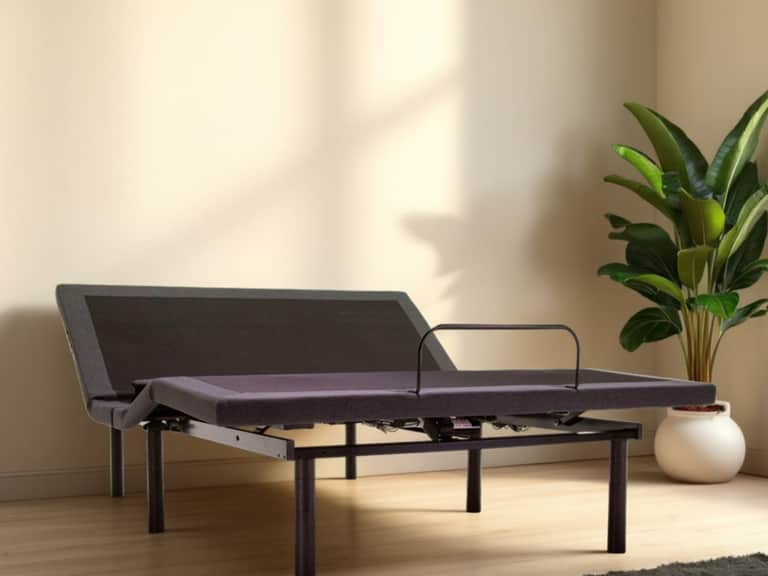
Adjustable bases need special attention. Some mattresses are designed to work with particular adjustable systems, while others may have restrictions. Ask the seller to confirm compatibility in writing if an adjustable frame is part of your setup. It is also sensible to ask whether the mattress’s construction or warranty has any requirements related to the type of support beneath it.
Dimensions, delivery, and everyday practicalities
Comfort matters most, but the practical details deserve a place on the checklist. Confirm the exact dimensions, available sizes, and mattress depth before ordering. Check whether the bed frame, headboard, fitted sheets, and other bedding will still work as expected. A change in mattress thickness, for example, may affect how securely fitted sheets sit or how high the bed feels when getting in and out.
Ask the retailer how delivery is handled, whether setup is included, and whether the mattress can be carried through hallways, stairways, and doorways in your home. Traditional, substantial mattresses may require more planning than a compact boxed product. Clarify what happens if access is difficult, what packaging or old-mattress removal services are available, and whether those services involve additional fees.
Before committing, read the trial, exchange, and return terms carefully. Check how long any trial lasts, whether the mattress must be used with a protector, and what condition it must be in for a return or exchange. Ask who pays for collection and whether there are fees. A generous-sounding policy can still have conditions that matter, so it is better to understand them before delivery day.
Care and long-term ownership
Follow the care instructions supplied for the exact mattress. Guidance can differ by construction, and assumptions based on an older bed or another model may not apply. Ask whether the mattress can be turned, rotated, or should remain in a particular orientation. Some mattresses are designed to be used one way up, while others may have different maintenance advice.
A breathable mattress protector can help shield the surface from spills, skin oils, and everyday wear, but check that the protector is appropriate for the mattress and does not noticeably change its feel. Regularly air the bed as recommended, and deal with spills promptly using the manufacturer’s instructions. Avoid applying cleaning products or using moisture-heavy methods unless the maker specifically approves them.
It can also help to understand the warranty before purchase. Review what is covered, what is excluded, and whether there are requirements related to the base, mattress care, or proof of purchase. A warranty is not a promise that the mattress will feel perfect to every sleeper, so keep it distinct from a comfort trial or exchange policy.
Questions to ask when comparing mattresses
A focused conversation with a retailer can reveal more than a long list of technical terms. Bring your measurements and describe your usual sleeping position, comfort preferences, and any practical requirements. Then ask questions that connect the product description to your actual bedroom and routine:
- What is the current spring configuration for the specific size I am considering?
- How is the spring count calculated, and does it refer to the whole mattress or one part of its construction?
- Which upholstery materials are used, and can I see a full materials breakdown?
- How is firmness described for this model, and can I test it in person?
- Which bed frames or foundations are approved, including adjustable bases?
- What are the exact dimensions, depth, and care instructions?
- What are the delivery, trial, exchange, return, and warranty terms?
These questions help separate a polished description from details that affect everyday ownership. They are also useful when comparing the Baronet Superb with other innerspring mattresses, because they encourage a like-for-like assessment of construction, comfort, and practical requirements.
How the Baronet Superb fits into a comparison
The appeal of the Vispring Baronet Superb lies in its traditional approach: pocket springs form the core, while natural upholstery materials contribute to the finished surface and feel. For shoppers who value that combination, it offers a clear starting point for thinking about mattress construction. The useful question is not simply whether pocket springs are good, but whether this particular design, in the size and configuration available to you, feels right.
Compare it with alternatives by looking at the entire build. Consider spring design, upholstery layers, firmness descriptions, dimensions, base compatibility, and the retailer’s policies. Avoid letting one impressive number or a luxury label make the decision on its own. A well-informed choice comes from weighing the construction against your needs and testing the comfort as carefully as circumstances allow.
And remember: a mattress’s reputation cannot predict your personal experience. The most reliable approach is to review the current specification, try the mattress in a realistic way, and confirm every practical detail before ordering. That may be less glamorous than a grand promise of perfect sleep, but it is far more useful when choosing a bed meant to support you night after night.
The takeaway
The Vispring Baronet Superb is a traditional innerspring mattress that pairs pocket-spring construction with natural upholstery materials. Pocketed springs can respond more independently than some linked coil systems, while the materials and layers around them help shape the mattress’s surface feel. Neither feature, on its own, determines whether the bed will be comfortable for you.
Try the mattress in your usual sleeping position, compare its full construction rather than one headline specification, and check firmness, dimensions, care guidance, and foundation compatibility. Confirm the latest details with the retailer before purchasing, particularly if you plan to use an adjustable base or have specific delivery requirements. With those questions answered, the Baronet Superb can be judged on what matters most: how its design feels in your home and whether it suits the way you rest.