 Bedding
Free New Bedcover
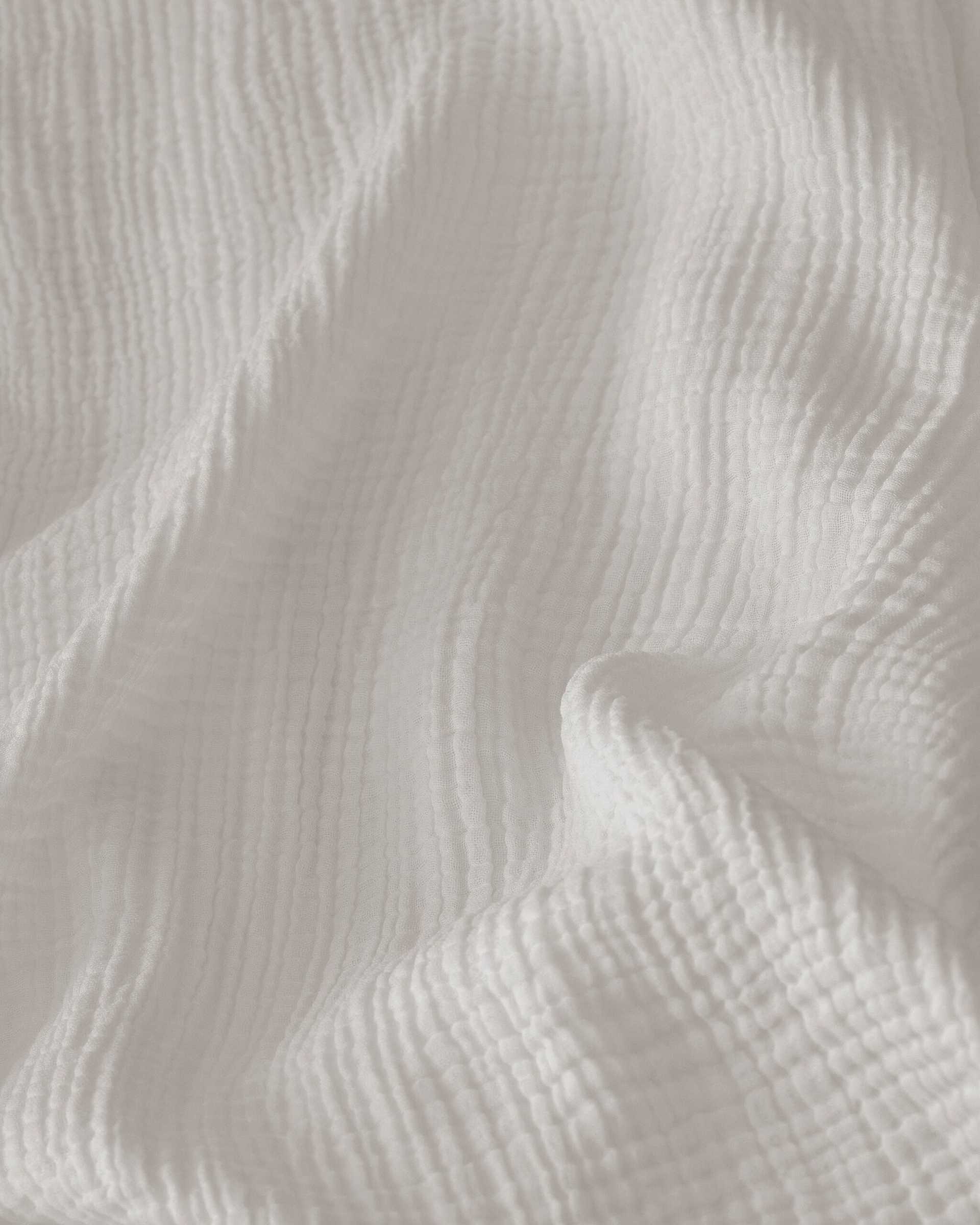
Enjoy breathable, cool comfort with this four-layer cotton voile bedspread—light yet cozy, softly textured for a tactile feel, and easy to coordinate with your decor in multiple colors.
Bed covers are essential for protecting mattresses and extending the life of sleep setups, while also contributing to interior aesthetics. This category focuses on fabrics, weaves, and finishes that balance durability with comfort. Common materials include cotton, microfiber, and blends designed for easy care, with attention to breathability and temperature regulation.
Understanding bedding compatibility helps ensure the right bed cover choice for different bed types and rooms. Key features to consider include fabric weight, thread count, and care instructions. Duvet covers and bedspreads can influence sleep hygiene by promoting moisture wicking, hypoallergenic options, and simplified laundering cycles.
Functional benefits of bed covers extend beyond appearance. They provide a protective layer against spills and allergens, help regulate body temperature, and reduce routine laundry effort through durable materials and wrinkle-resistant finishes. Some designs incorporate antimicrobial treatments or water-repellent properties for specific environments or sensitivity needs.
Within this category, it is common to encounter a variety of products such as duvet covers, bedspreads, and protective covers that accommodate different mattress styles, including organic and memory foam options. The inclusion of adjustable bed considerations highlights the need for flexible dimensions and secure fastening methods that stay in place during use.
Educational guidance for selecting bed covers emphasizes material composition, fiber sizing, and finish types to match bedding ecosystems, including sheets, organic mattresses, and other sleep components. Practical insights include care cycles, colorfastness, and compatibility with temperature-regulating sheets to support overall sleep quality and longevity of bed textiles.
Bedding