Blankets and quilts provide essential warmth and comfort for diverse sleeping environments, from cool nights to layered bedding setups. This category centers on understanding fabric composition, weave types, and weight classifications, helping readers select pieces that balance insulation with breathability. Key materials include natural fibers and synthetic blends that influence texture, durability, and care requirements.
Quilts often feature a quilted top layer with batting that adds a lightweight to medium warmth profile, while blankets can range from thin cotton throws to heavier fleece or wool blankets. Understanding fiber properties, thread counts, and finishes aids in predicting performance, washability, and long-term resilience in daily use across different climates.
When evaluating blankets and quilts, consider size compatibility, thickness, and warmth ratings as they relate to sleeping preferences and bed dimensions. For families, choosing hypoallergenic fabrics and easy-care finishes can reduce allergen exposure. The right option supports restful sleep by maintaining a stable microclimate without excessive overheating.
Free New Bedcover is a notable inclusion within this category, offering combinations of fabric durability and practical design. Product names and features emphasize warmth retention, moisture-wicking properties, and easy-care maintenance, delivering functional benefits for varied bedding setups and seasonal transitions. These options illustrate how layering with a suitable bedcover influences comfort and sleep quality.
Meta keywords such as bedding, sheets, duvet covers, organic mattresses, and adjustable beds reflect the broader ecosystem of sleep products connected to blankets and quilts. Understanding these interrelationships helps readers optimize overall bedroom comfort, accessibility, and climate control, supporting informed choices for long-term bedding health and daily usability.
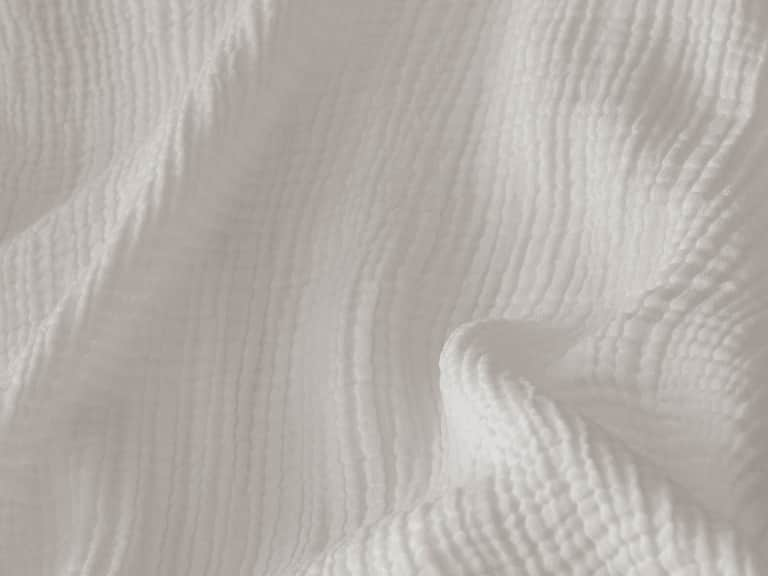 Bedding